
Table Tennis Ireland governs and develops para table tennis across the country, supporting athletes at every level while building an inclusive community where participation and high performance thrive together.
TTI provides information on para pathways, governance and player profiles — including Irish para player achievements and squad updates.
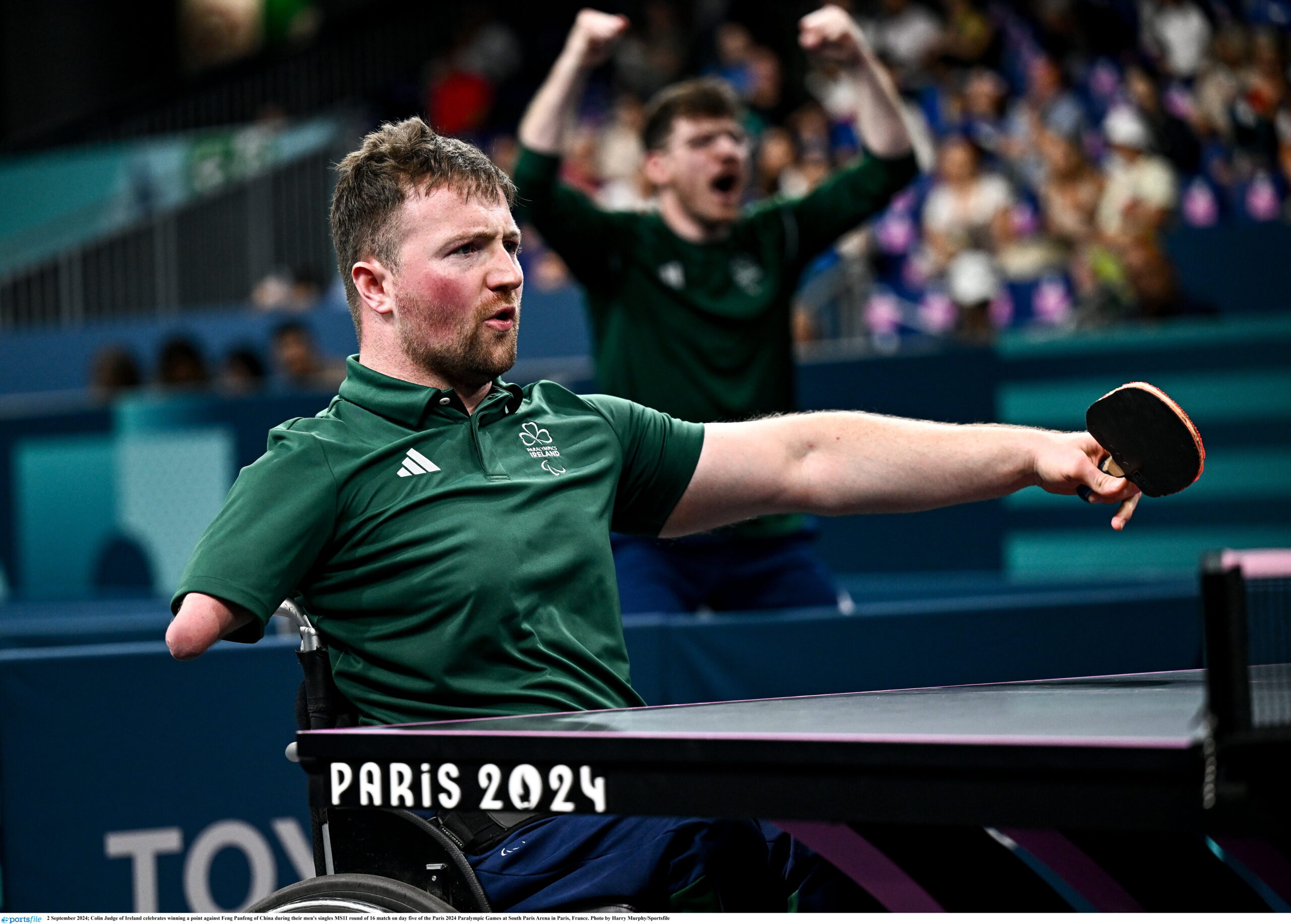
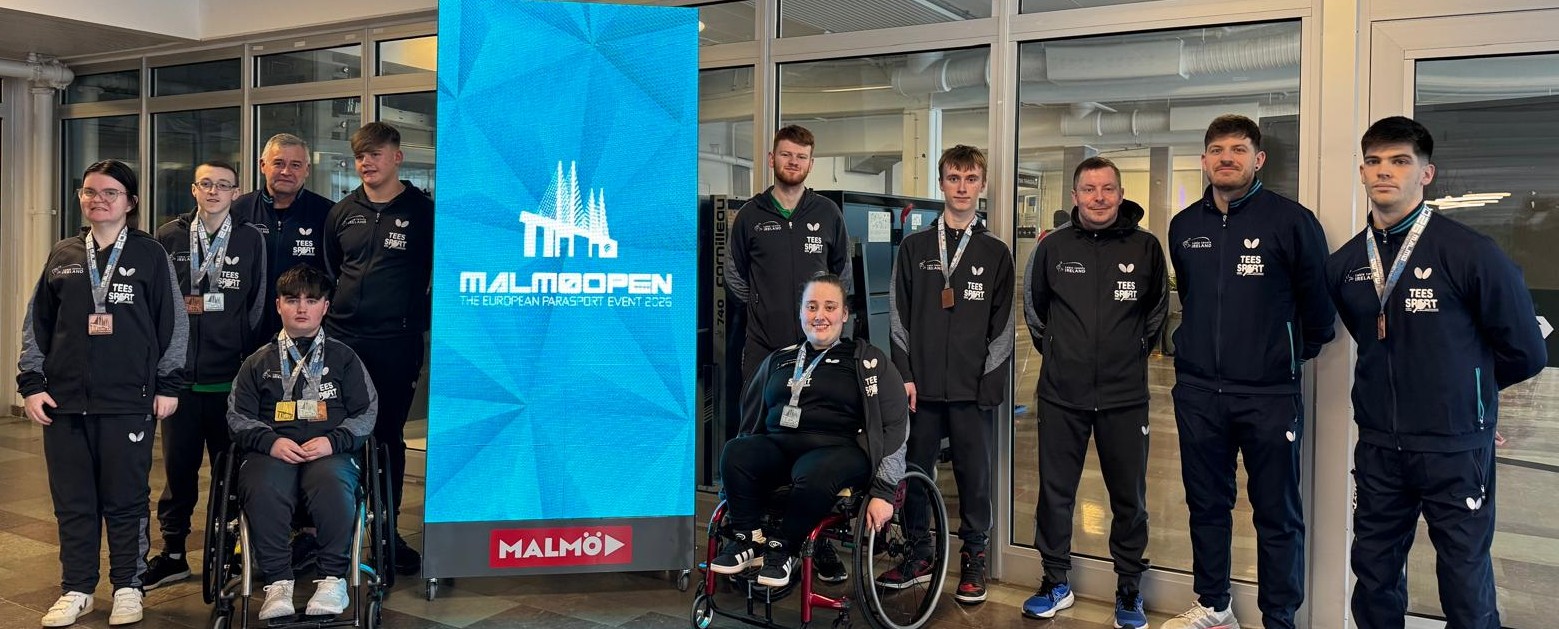
Para table tennis is competitive sport for athletes with physical or intellectual impairments. It welcomes players of all abilities into national and international competition, from club level through elite pathways.
The sport was included in the first Paralympic Games in Rome in 1960 and is now estimated to have more than 40 million competitive players and millions of recreational players.
Para table tennis is the third largest Paralympic Sport in terms of athlete numbers and is practiced in more than 100 countries.
There are different classifications of Para. Athletes can compete with a physical impairment can compete in standing or sitting classes. Players with intellectual impairment or autism can also compete in Para Table Tennis.
Getting started
The first step to get involved in Para Table Tennis is to contact your local club. Once you’re involved in the club structure, please contact us on [email protected]
Please let us know which club you are with so we can liaise with the Para Branch Representative in your area.
Classification
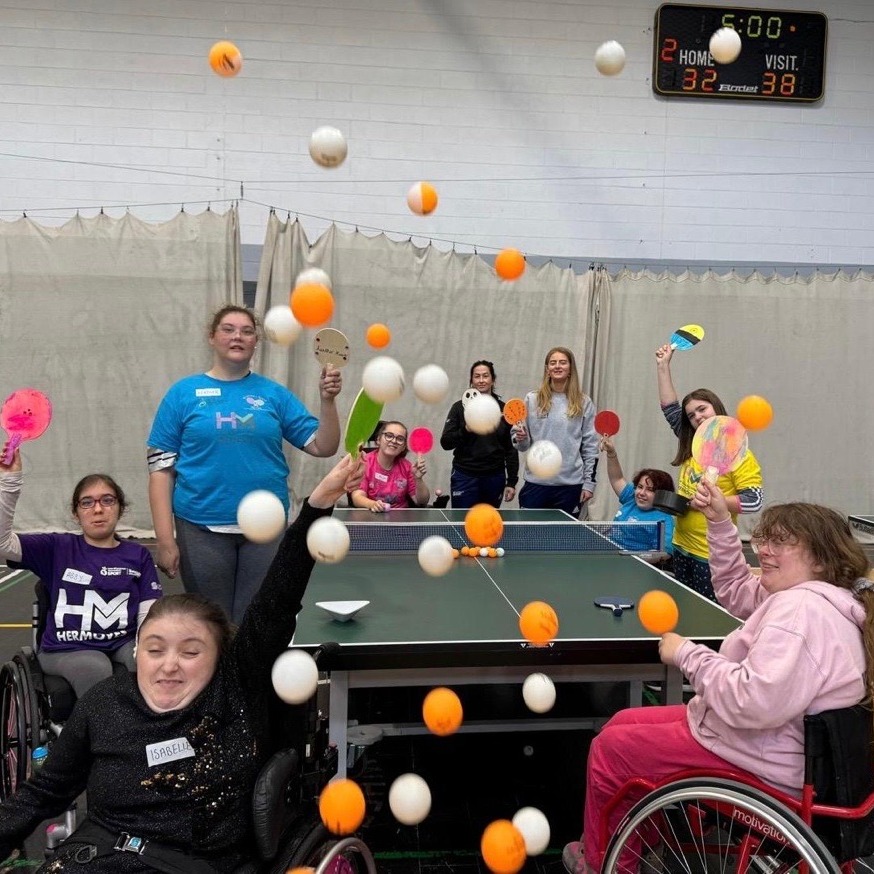
A functional classification system is used to minimise the impact of impairment on sporting performance, providing structure for fair and equitable competition. Classification determines who is eligible to compete in Para Table Tennis and assigns athletes to classes based on the level of activity limitation.
Physical impairment – athletes with reduced muscle power, limited range of motion, limb deficiency, hypertonia, athetosis, ataxia, leg length difference or short stature.
Intellectual impairment – players with restriction in intellectual functioning and adaptive behaviour, present before the age of 18.
Classes 6–10 — Ambulatory/standing players (ambulant players with physical impairment)
Class 11 — Players with intellectual impairment or autism (intellectual impairment group)
Classification isn’t always required at the very beginning of involvement, but athletes who wish to compete in structured competition should seek official classification. Contact Table Tennis Ireland for guidance on the right stage and how to apply for classification through the appropriate process.
The game follows standard table tennis principles with specific adaptations for different classifications. Equipment and court setup vary based on player mobility and functional ability.
Rankings track player performance across national and international competitions. They reflect competitive standing and progression through the sport, and are used for selection, seeding and eligibility.
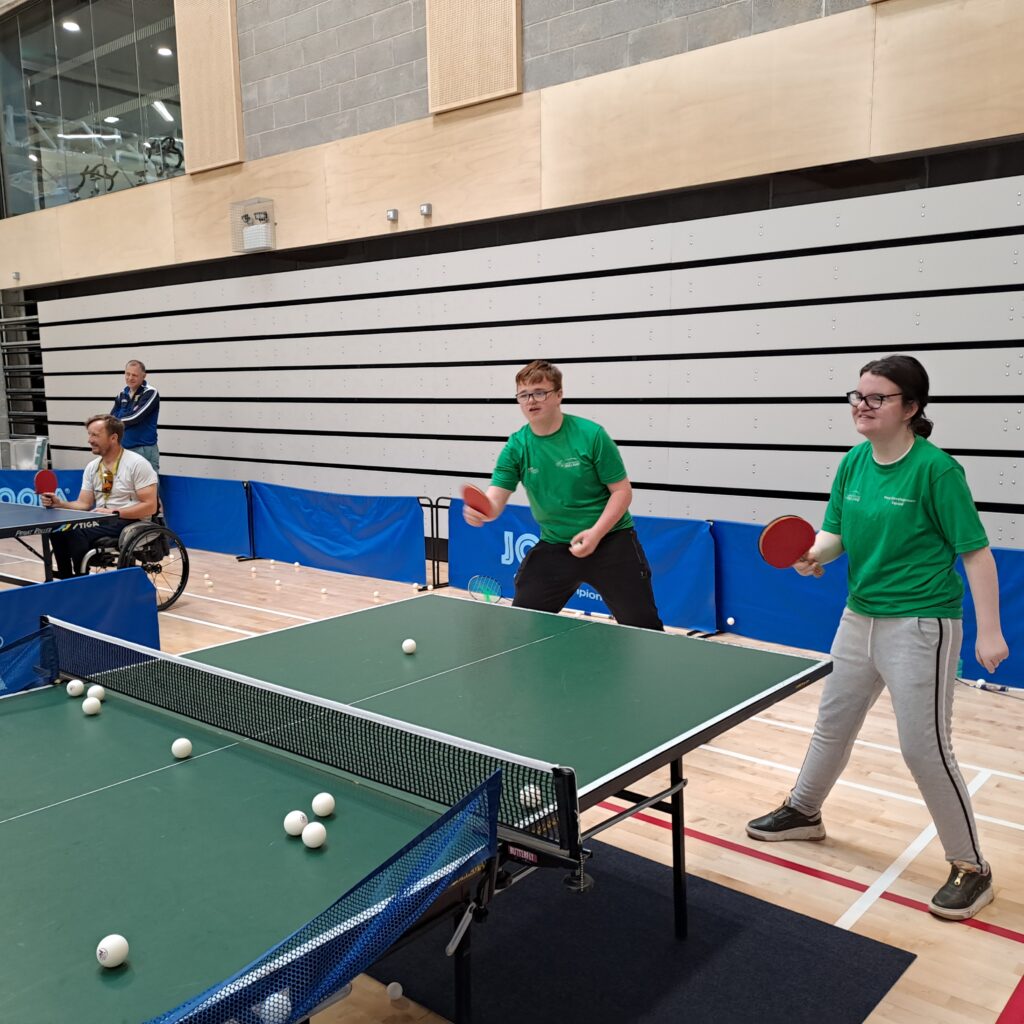
Table Tennis Ireland publishes national para rankings based on results from sanctioned domestic competitions. Rankings are updated regularly throughout the season.
The International Table Tennis Federation (ITTF) maintains world rankings for para athletes. Irish players appear on these lists when competing in international events.
Classification isn’t always required at the very beginning of involvement, but athletes who wish to compete in structured competition should seek official classification. Contact Table Tennis Ireland for guidance on the right stage and how to apply for classification through the appropriate process.
Support
Contact the para committee and national coaching staff for guidance on competition, classification, and player development.